
Canon ROS R6 Mark I + EF 50mm f/1.8 STM (adapted)
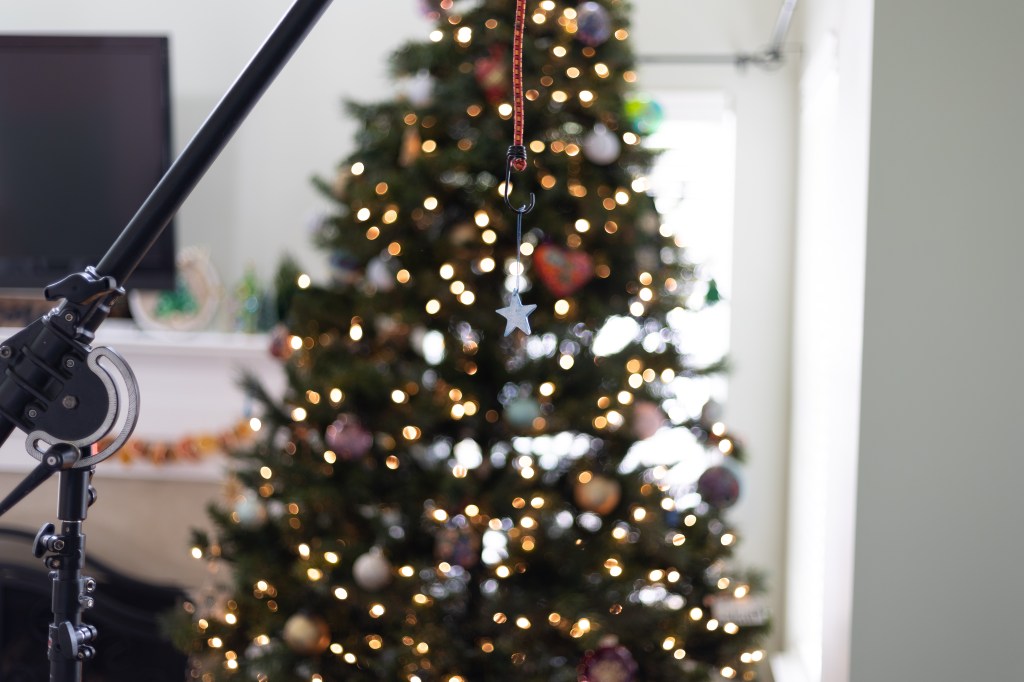
The images below visually demonstrate the impact of aperture on the appearance of background elements. The point of focus is the leaves in the left side of the frame. Notice how as the aperture decreases (i.e. f-stop number increases), the background elements become more in focus. This is because the depth of field (depth of the in-focus region) becomes larger as the aperture decreases. A larger aperture also increases the size of point sources of light in the out of focus regions of the images. This is illustrated by the significantly larger sizes of the “balls of light” in the f/1.8 images as compared to the f/8.0 image. The quality of out of focus points of light in a photograph is called “bokeh”. Using a large aperture can blur the background into a beautiful and undefined collection of shades and colors. Portrait photographers often enjoy taking portraits at large apertures because the subject, which is in focus, is isolated from the very out of focus background. Taking a portrait at a small aperture can distract the viewer from the subject, because the background will be less out of focus and the viewer can begin to recognize shapes, objects, etc. in the background, which distracts from the subject.
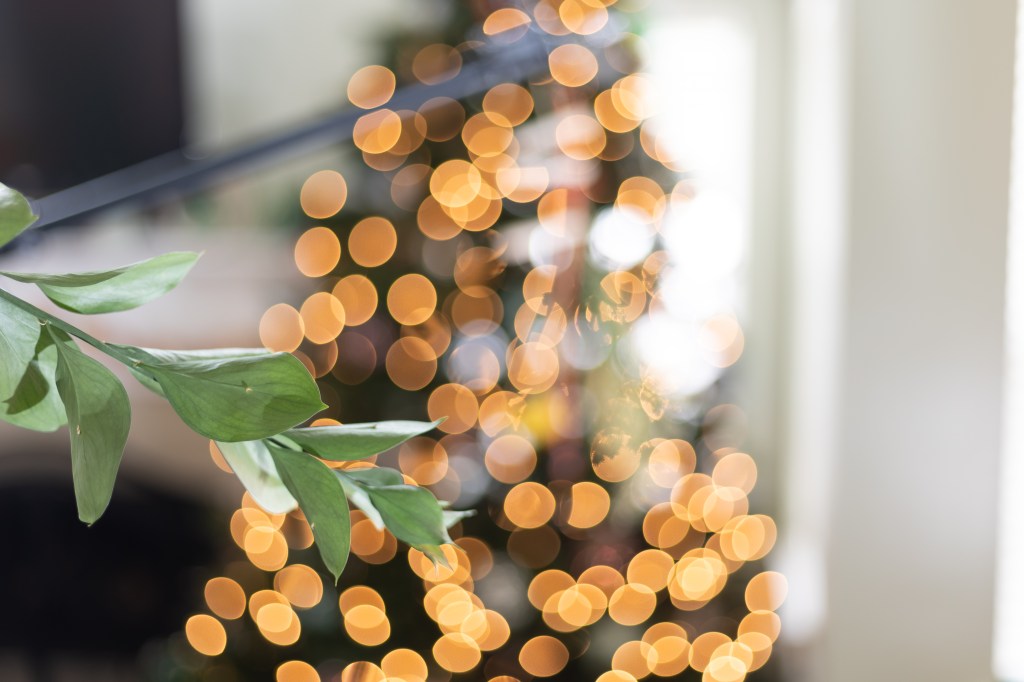
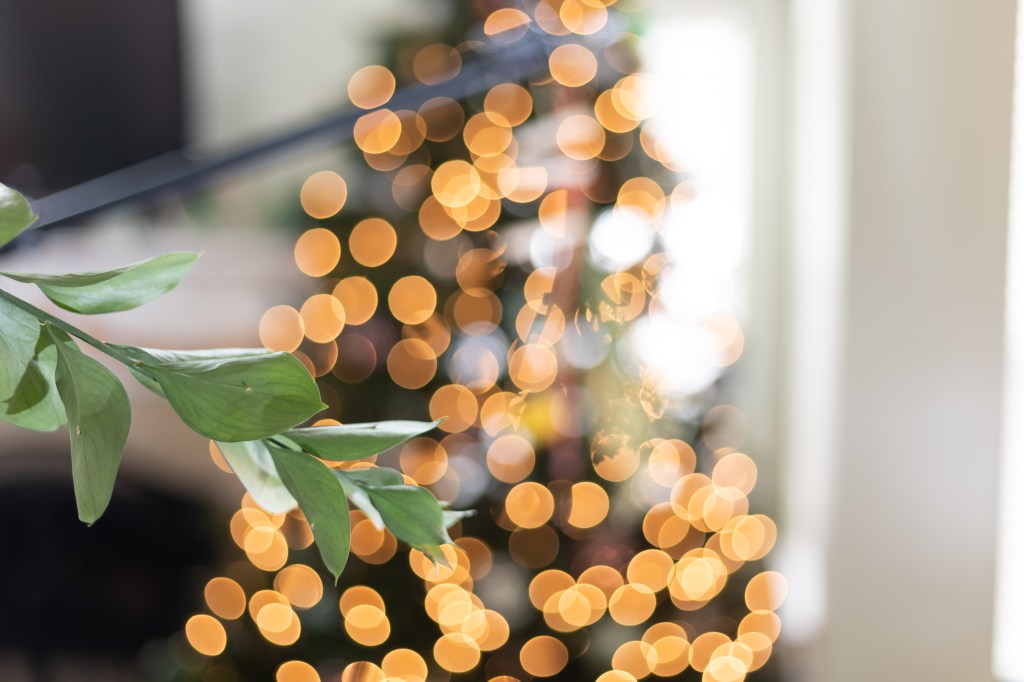
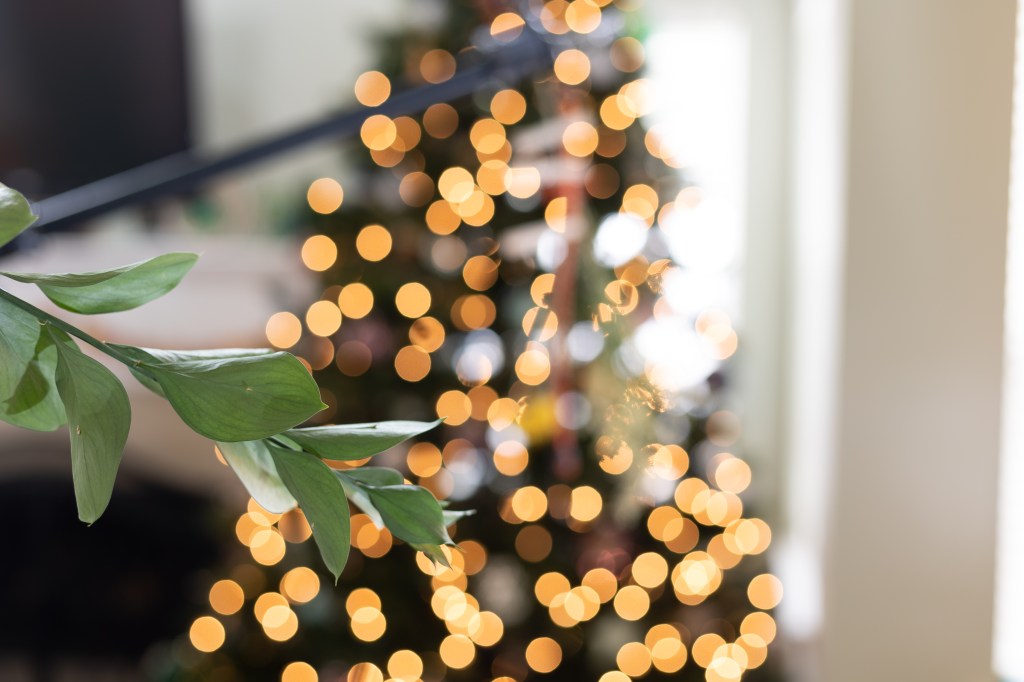
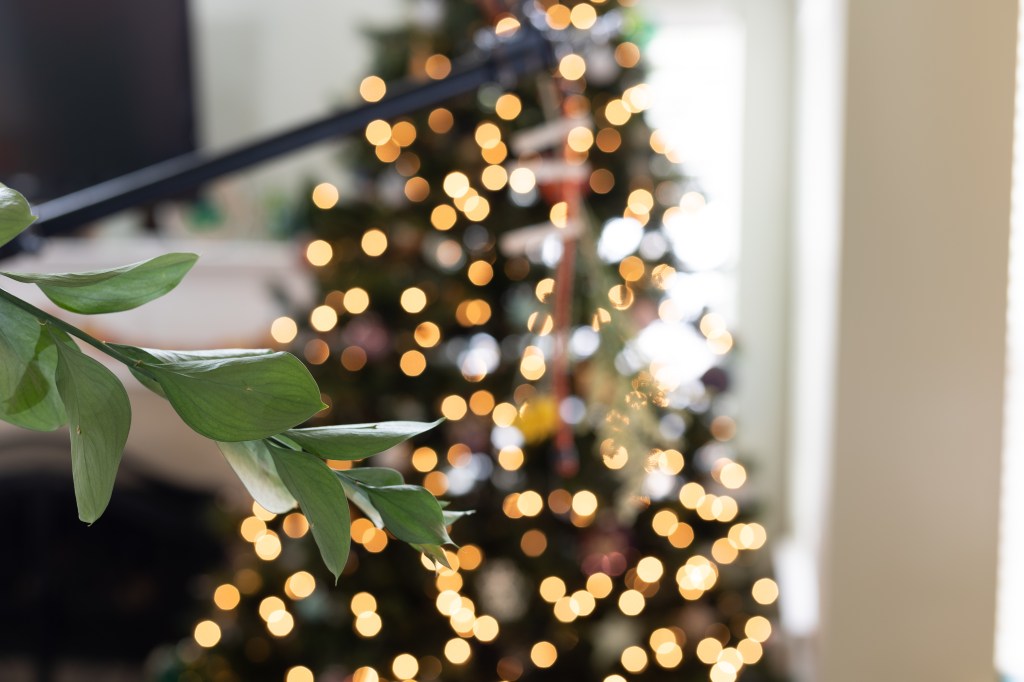
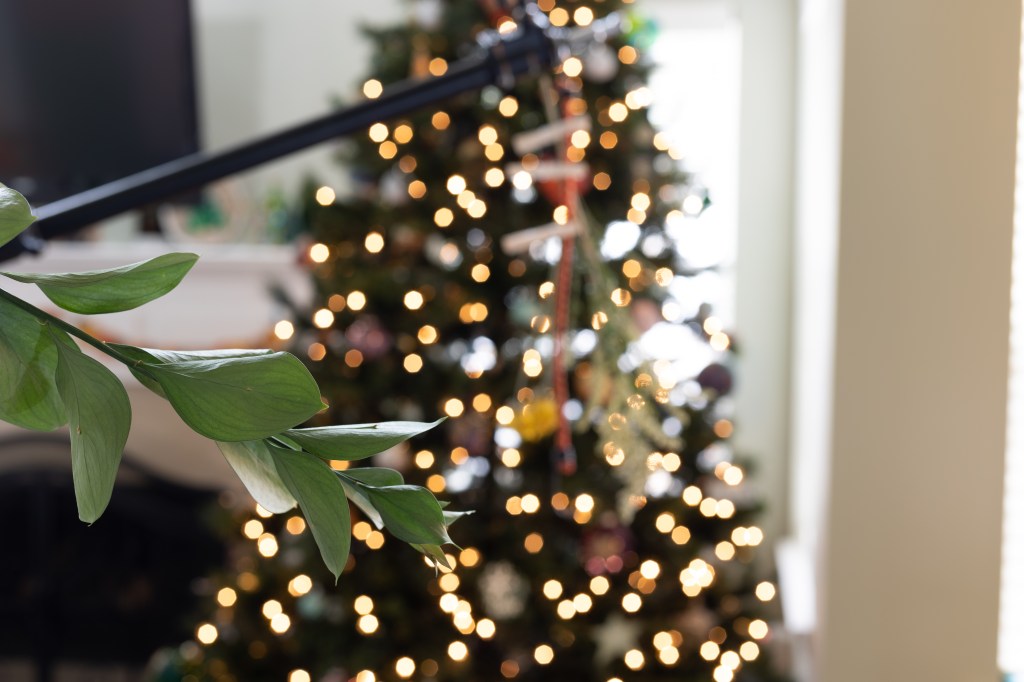

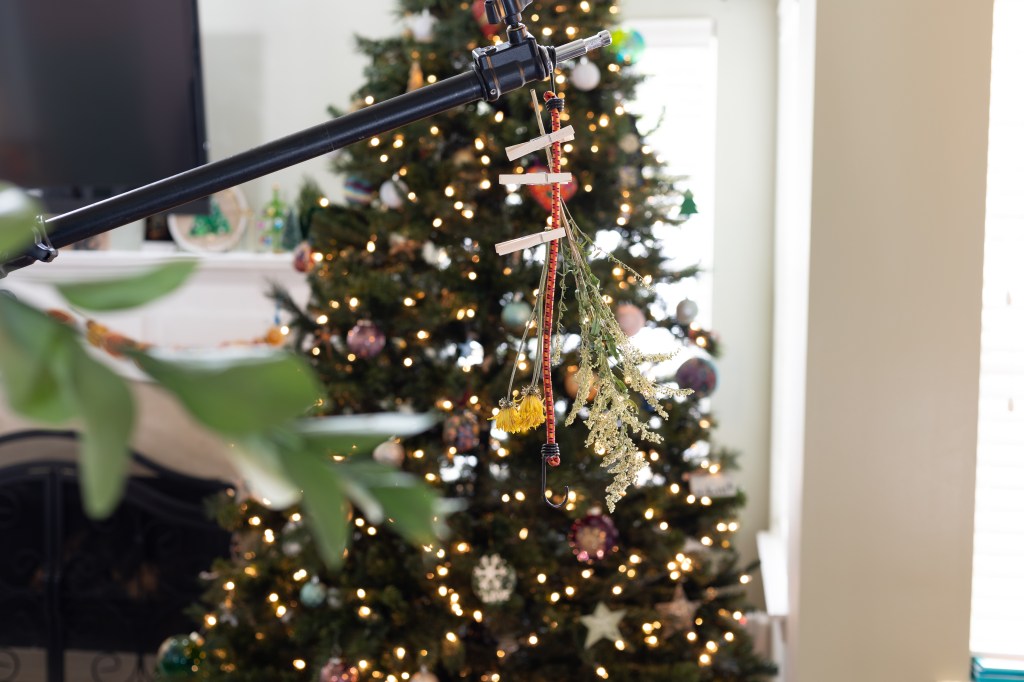
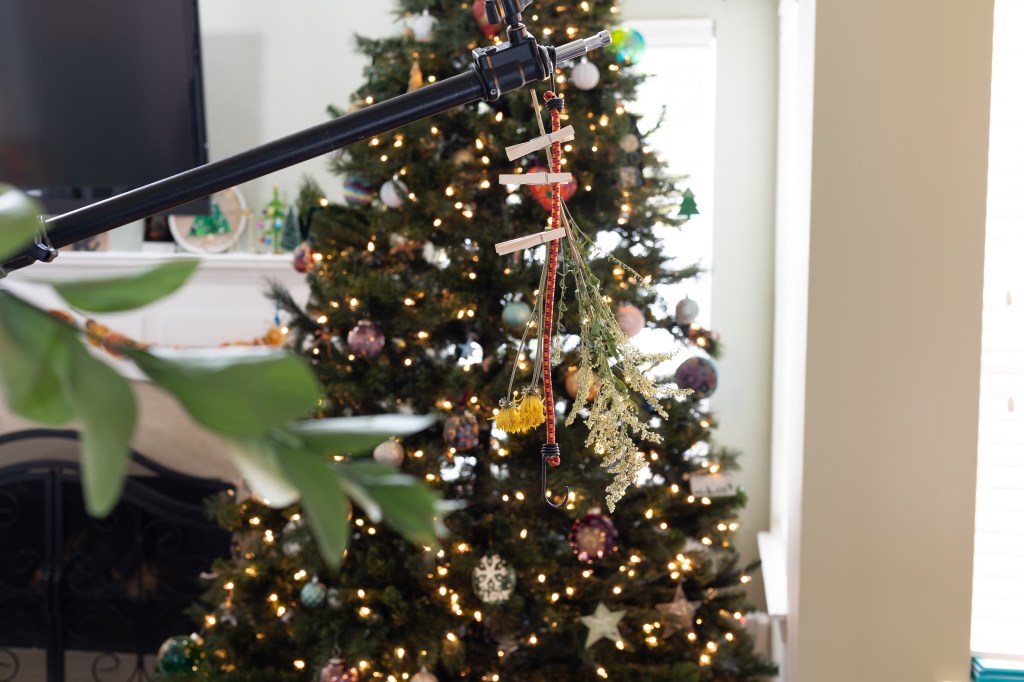
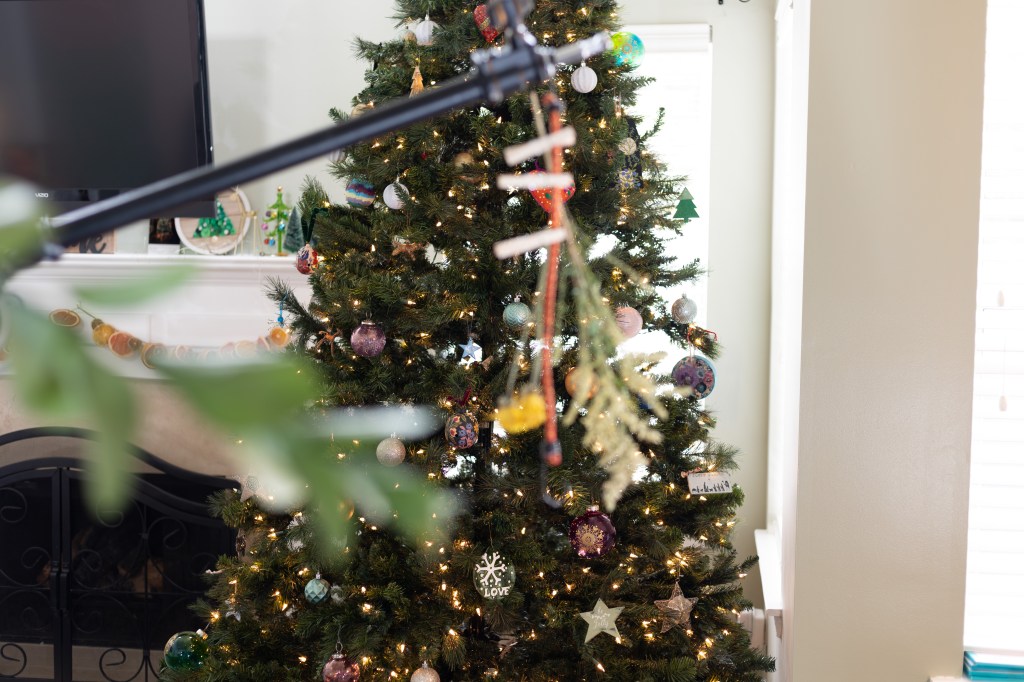
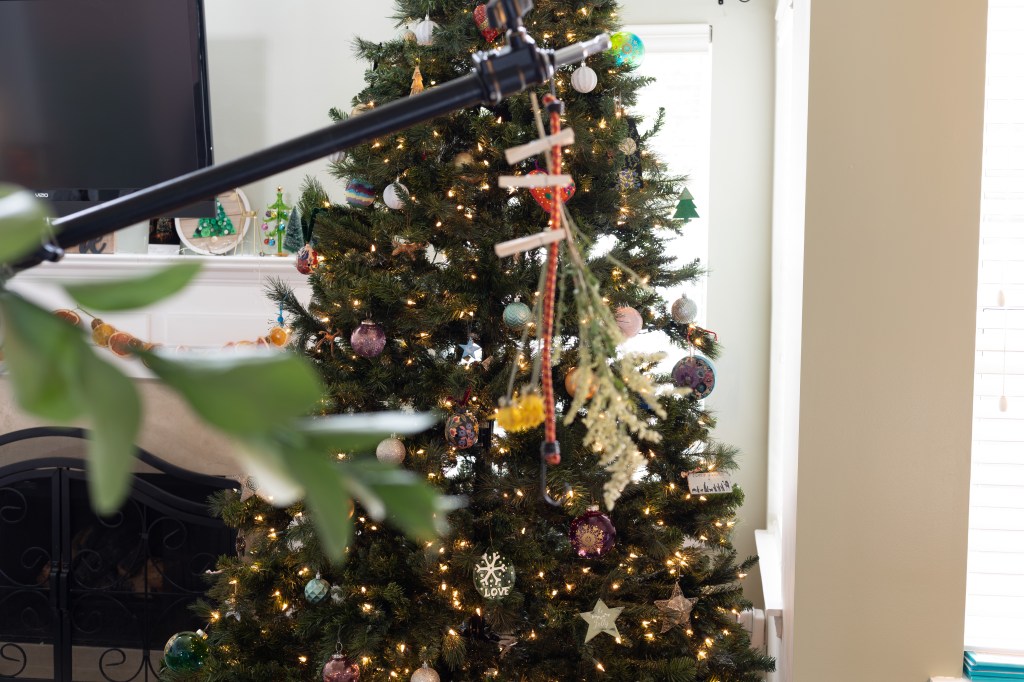
For the following set of images, the point of focus is the suspended flowers halfway between the foreground leaves and background Christmas tree. The position of the camera and the subjects was not changed. Notice how at f/1.8, the out of focus Christmas lights are not as large as in the f/1.8 image above. This is because the quality of the out of focus regions (and the quality of the bokeh) depends on not just the aperture, but also the relative distance between the background, subject, and camera.
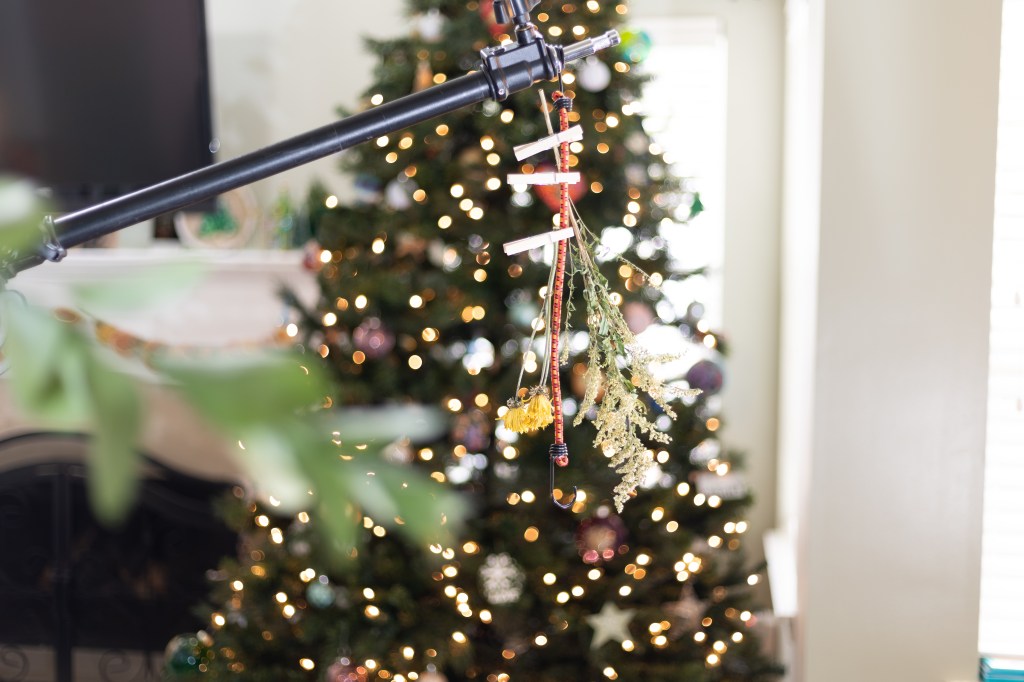
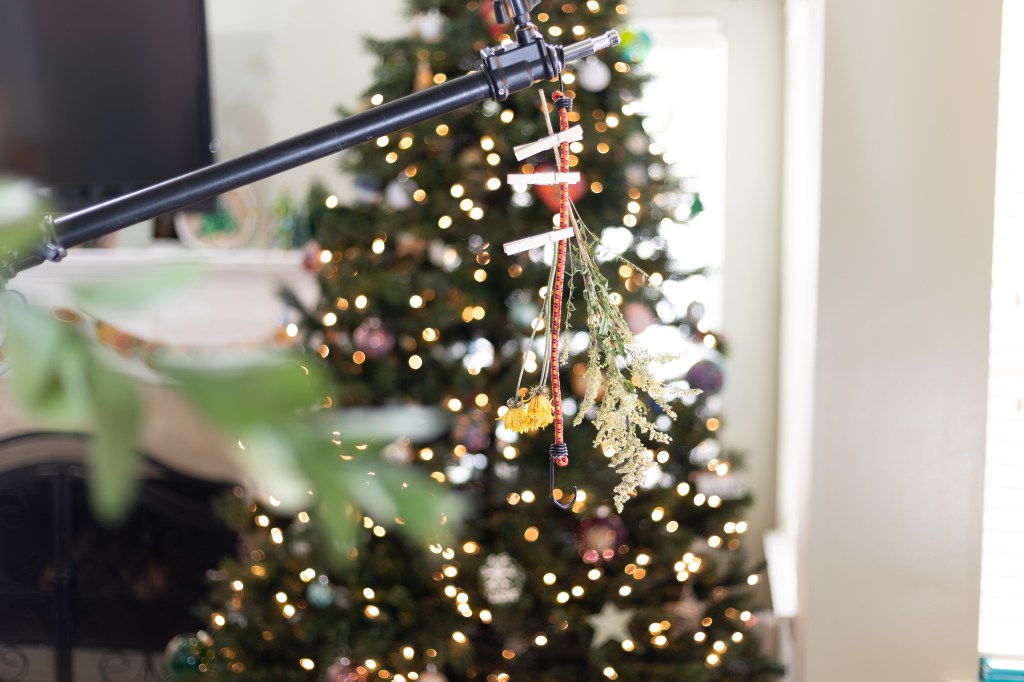
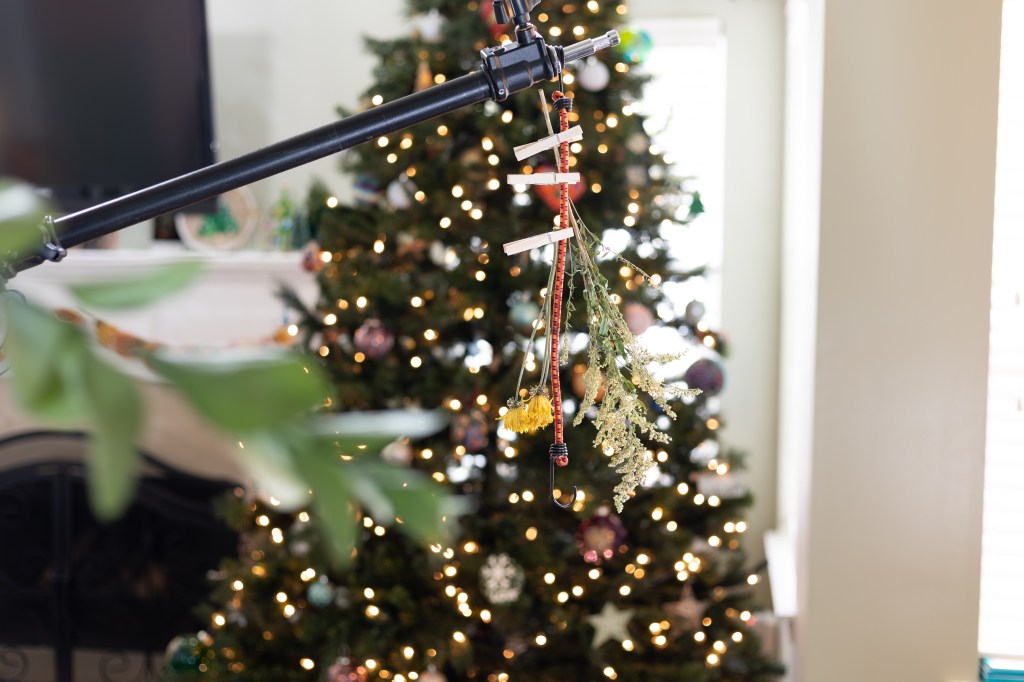

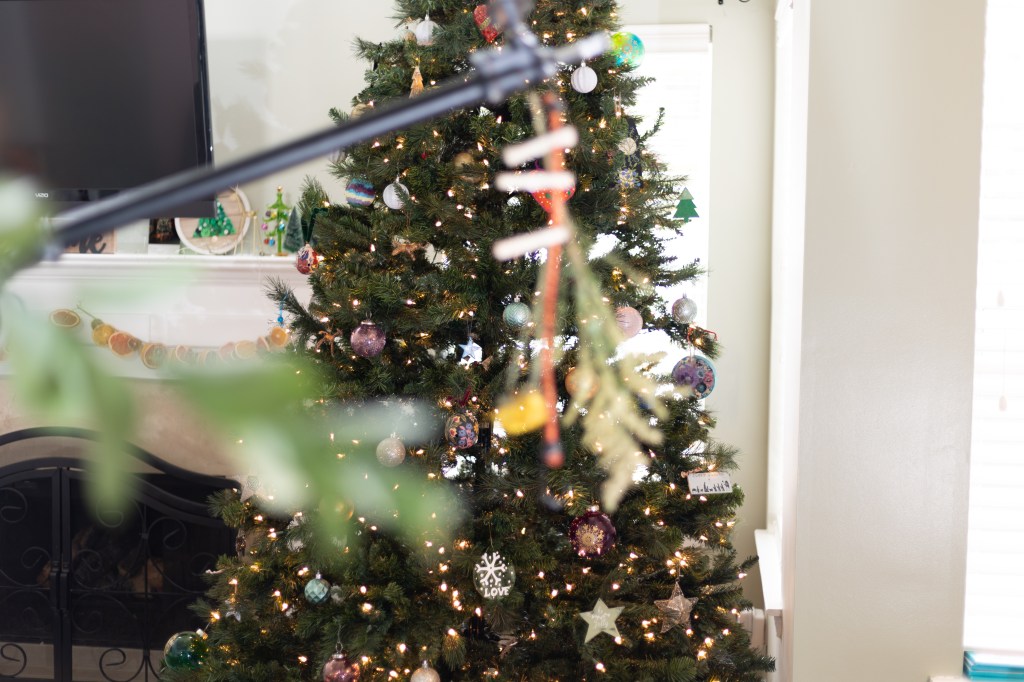
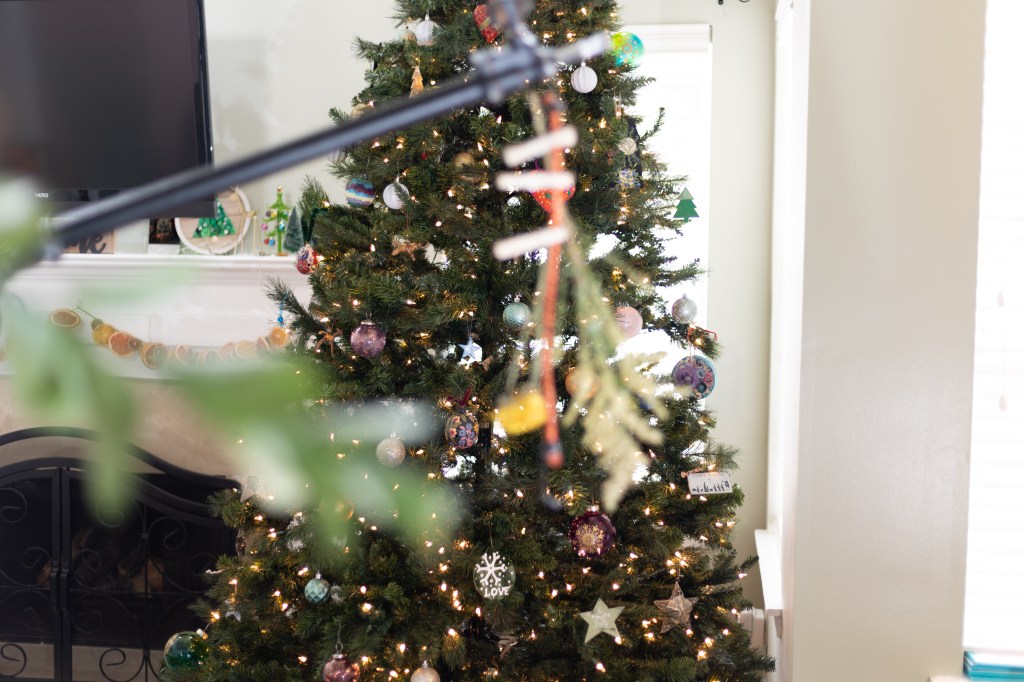
For the following set of images, the point of focus is an ornament on the Christmas tree. If one looks closely, they can see that the foreground leaves are more out of focus at each of the apertures than the images where the subject was the suspended flowers.


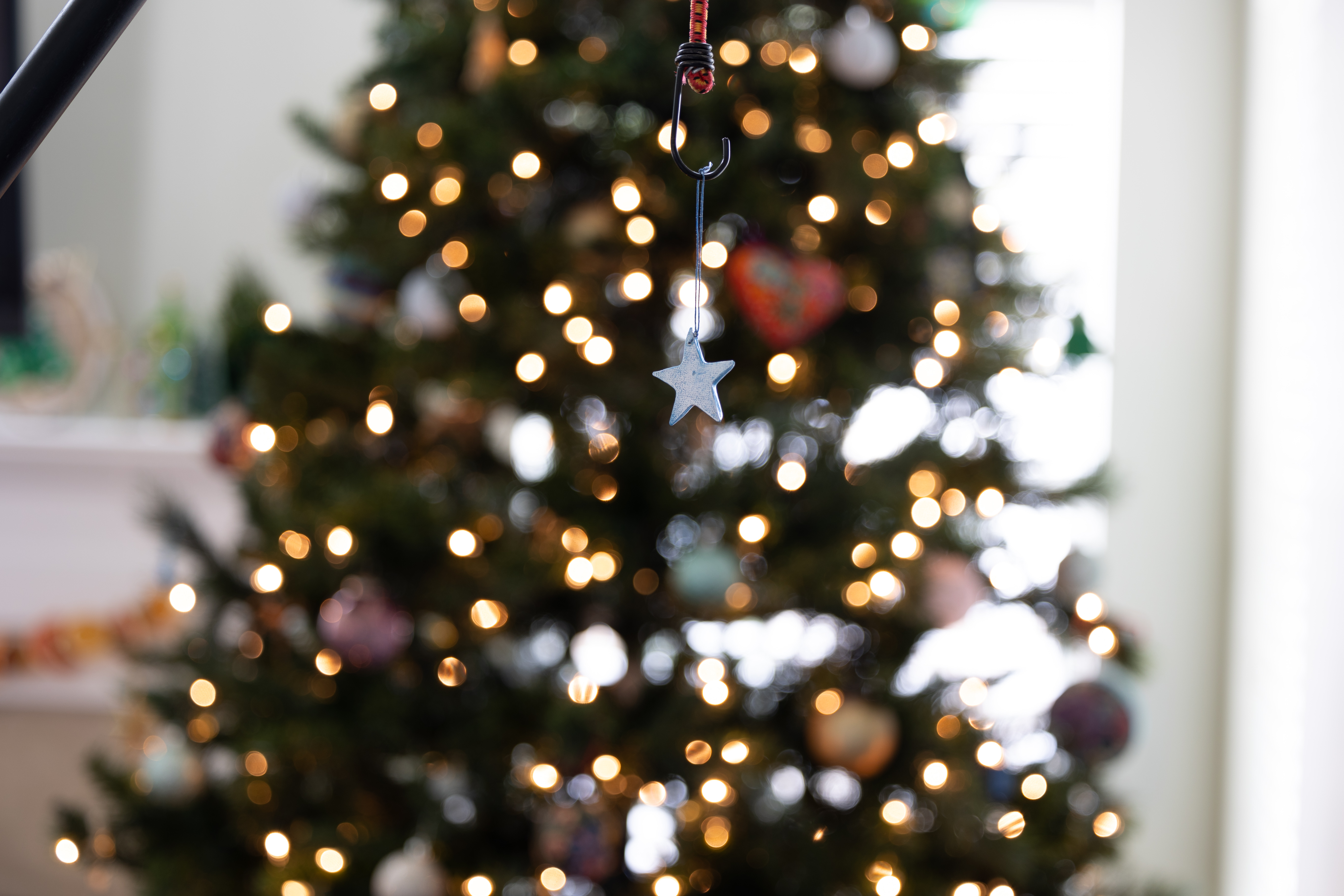
The comparative images below compare the appearance of the out of focus Christmas lights between images taken on a cropped sensor camera and a full frame sensor camera, at equivalent focal lengths and distances.
Cropped sensor cameras have a smaller sensor area than full frame sensor cameras. For Canon cameras, the full frame sensor is 1.6x the size of a cropped sensor camera. A lens on a cropped sensor camera has the same field of view as a full frame sensor camera with a lens that has a focal length 1.6x larger than that used on the cropped sensor camera. In other words, a 50mm lens on a cropped sensor camera is equivalent to an 80mm lens on a full frame sensor camera.
The image on the left was taken with a 50mm lens at f/1.8 on a cropped sensor camera. The image on the right was taken with an 81mm lens at f/2.8 on a full frame sensor camera. To make the field of views equivalent between the two images, the full frame camera + lens had to be placed 1.6x further away from the subject. Notice that the size of the Christmas lights (e.g., bokeh) is equivalent between the two camera + lenses, even though the aperture of the full frame camera + lens was f/2.8! This means that a cropped sensor camera achieves the exact same image composition and bokeh appearance as a full frame sensor camera at an aperture 1.3x smaller than the cropped sensor camera. In other words, a cropped sensor cameras is unable to achieve the equivalent look of out of focus elements as a full frame sensor camera and lens at very large apertures.

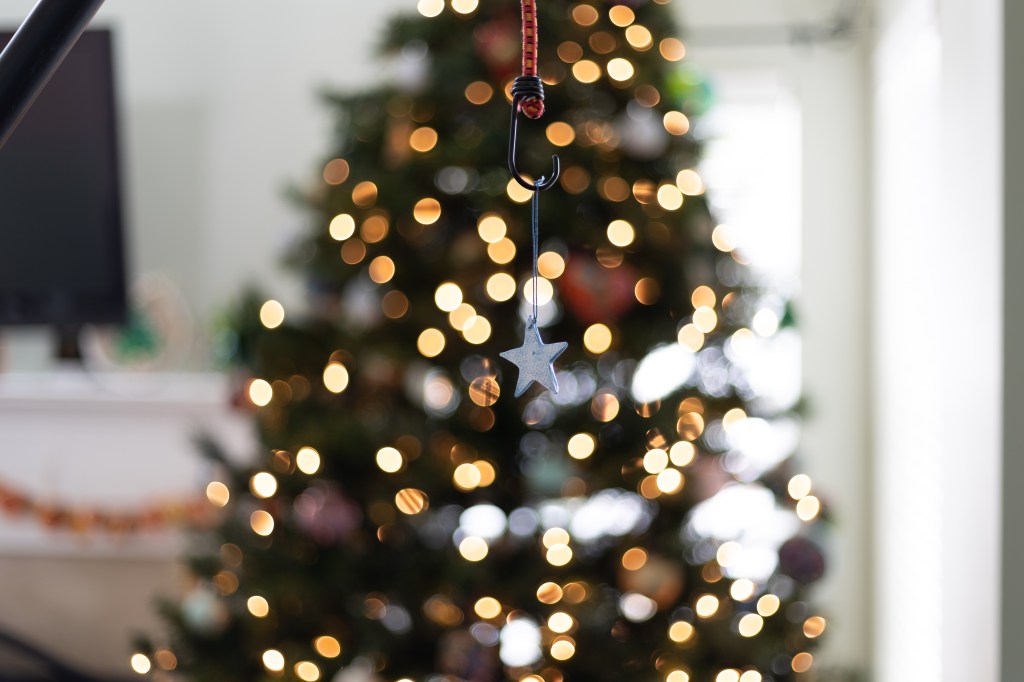
The two images below are take with the same camera + lens + aperture. The only differences is the subject to camera distance. Notice how the size of the out of focus Christmas lights decreases as the subject to camera distance increases. These two images show that if you want to blur the background as much as possible, the photographer must move closer to their subject.
 Andreas Wierschen Photography